 Mischa Byruck
Sexual Harm Prevention
A new approach to consent and accountability
How do we reach the young people who already believe in consent, don’t see themselves as dangerous, and yet still cause harm?
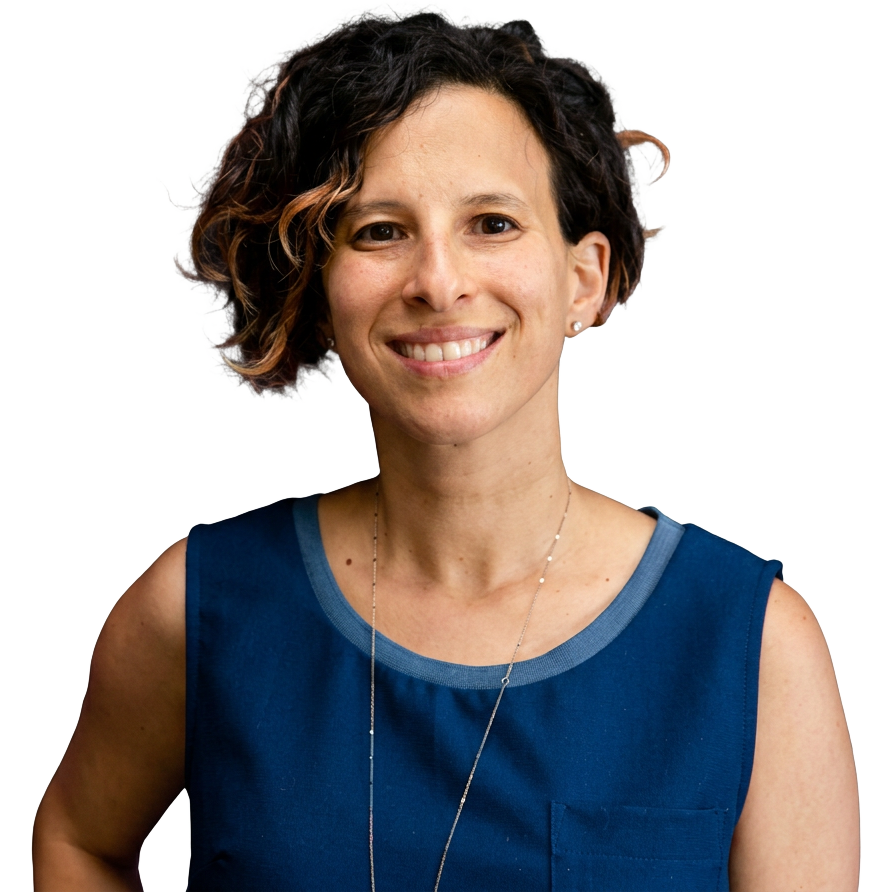
“Mischa's consent workshops were some of the highest-attended and highest-rated programs we've offered.”
Noa Elan, Former CEO, Plura
From “Get Consent” to“Do no Harm”
Consent is the floor — not the ceiling.
Too often, consent-only education teaches students to treat sex as a transaction: get permission, then do what you want.
But harm can happen even when there is a “yes.”
- Alcohol, popularity, experience, desirability, and social status affect what people agree to, interrupt, or notice.
- Trauma responses can lead people to freeze, disengage, appease, or go along with something they do not actually want.
- Power differences can make it difficult to speak up—or even lead someone to perform consent.
The goal isn’t just consent. It’s respect.
Rather than giving students another lecture about rules they already know, I give them concrete tools for navigating the realities they are actually living in.
Instead of teaching students only to ask: “Is this consensual?” I teach them to ask:
- Is this aligned with my actual values?
- How might my power or influence be affecting this situation?
- Where might there be pressure here, even if I don’t intend it?
- Is this a caring way to be?
This empowers students to be both sexual and respectful.
Competency—not compliance—is what will make our campuses safer.
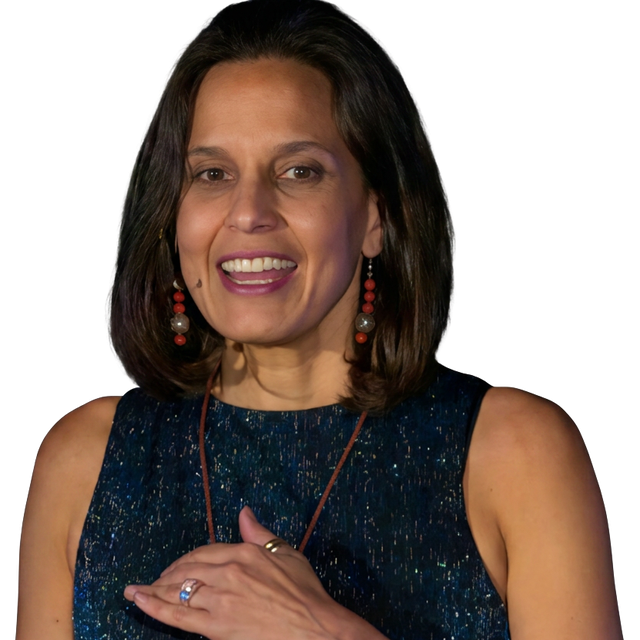
“Mischa upgraded how we saw power and consent.”
KamalaDevi McClure, Author and Former Accountability Lead, International School of Temple Arts
The Pillars of Intimate Integrity
My prevention work is organized around six capacities that help people create safer intimate experiences:
Consent
Making sure participation remains voluntary, informed, ongoing, and responsive to changing circumstances.
Attunement
Noticing behavior, body language, emotional shifts, hesitation, disengagement, and other signals that words alone may not capture.
Power-Awareness
Recognizing how status, desirability, experience, intoxication, belonging, identity, and social influence affect another person’s freedom to speak and act.
Trauma-Informedness
Understanding common nervous-system responses such as freezing, fawning, shutdown, and dissociation—and knowing how to respond when they appear.
Communication
Expressing desire, boundaries, uncertainty, changing intentions, and care directly and honestly.
Accountability
Recognizing when something has gone wrong, receiving feedback without collapsing into defensiveness, and changing behavior before small harms become larger patterns.
Together, these skills move prevention beyond simply avoiding an explicit violation and toward learning how to create intimacy that is genuinely connected.

“Mischa gave me knowledge I wasn't getting in other spaces”
Favianna Rodriguez, Interdisciplinary Artist & Cultural Strategist — President & Co-Founder, Center, Cultural Power
Keynotes and programs
- College students
- Young men, fraternities & athletics
- Student leaders & peer educators
- High-school students
- Educators & prevention professionals

“Mischa made me realize how much growth I have to do to make it safe for people to say no to me”
River Black, Somatica-Certified Relationship Coach & Educator
My Approach
Bringing the lessons of accountability work into harm prevention
I’m an accountability professional focused on sexual harm prevention.
For the past decade, I have worked directly with hundreds of people accused of sexual and intimate harm outside the criminal-legal system, helping them understand what happened, take responsibility, repair harm where possible, and change their behavior.
I have spent thousands of hours helping people move through denial, shame, defensiveness, resentment, and confusion; recognize their own power and influence; understand the impact of their behavior; and develop the skills they were often missing before harm occurred.
My work is also informed by ongoing relationships with victim advocates, restorative justice practitioners, abuse counselors, therapists, educators, and survivors.
That work has given me an unusual vantage point: applying the lessons learned from transforming people who have caused harm towards preventing it in the first place.
How I Teach
My style is conversational, challenging, funny, and deeply practical.
I use personal stories, lessons from my practice, interactive scenarios, and original frameworks to help students make sense of experiences they are already having.
I find disarming, nonpartisan ways into complex and taboo subjects—challenging audiences without alienating them.
With college and older high-school audiences, I may speak directly about sex, dating, alcohol, power, social status, consent, and the ambiguity of real intimate encounters.
With younger audiences, the same underlying skills become developmentally appropriate conversations about boundaries, friendship, peer pressure, body awareness, empathy, communication, social power, and what to do when you realize you have hurt someone.
Students leave challenged and empowered, with concrete skills and a clearer picture of what safer intimacy and stronger community actually look like.

“Consent is a very important essential place to start. But going beyond consent is what's necessary.”
Justin Leonti, MA, LMFT, Marriage & Family Therapist
Booking Information
Programs are available as campus keynotes, interactive workshops, targeted sessions for specific student populations, professional development for educators and prevention staff, and customized learning series.
Each engagement begins with a conversation about your audience, existing prevention education, campus culture, and the outcomes your team wants to support. Content can complement the work already underway through Title IX, student affairs, athletics, residence life, peer education, and violence-prevention programs.
For administrators and procurement teams, the inquiry process can include program scope, audience and accessibility needs, format, customization, scheduling, and the materials your institution requires to move forward.